“People say that what we’re all seeking is a meaning for life. I don’t think that’s what we’re really seeking. I think that what we’re seeking is an experience of being alive, so that our life experiences on the purely physical plane will have resonances with our own innermost being and reality, so that we actually feel the rapture of being alive.”
-Joseph Campbell
“I should’ve learned Kung Fu instead of ethics. What use is that?”
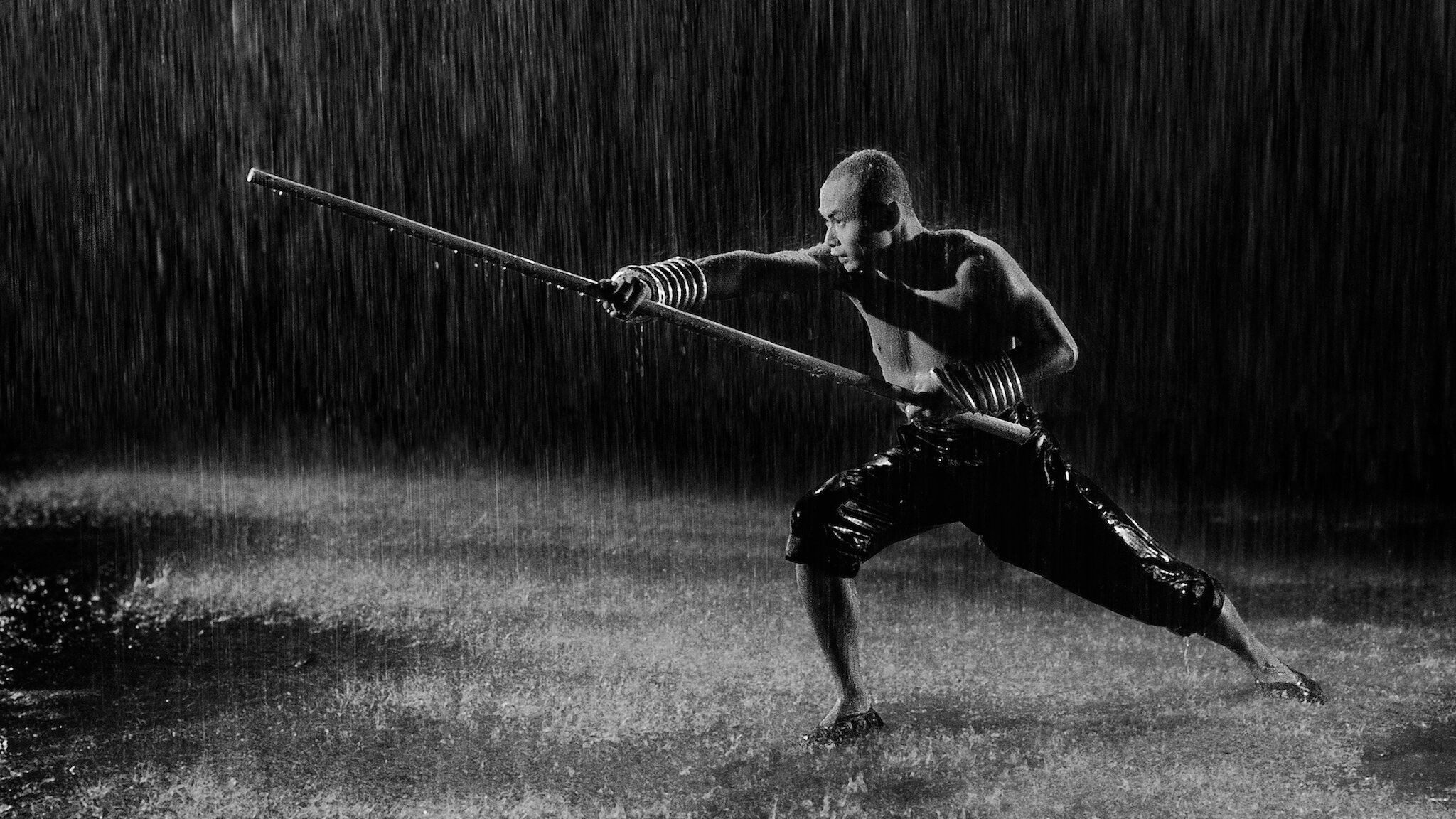
Within the many offerings of martial arts cinema, The 36th Chamber of Shaolin. Directed by Lau Kar-leung and starring Gordon Liu as San Te remains a personal favorite. The film is often celebrated for its dazzling choreography and spiritual gravitas. But beneath the punches and bamboo staffs lies a philosophical drama about the formation of the self. It is a story that unfolds in two chambers: one shaped by Confucian ethics, the other charged with Nietzschean revolt.
“Ethics tells you what is right”
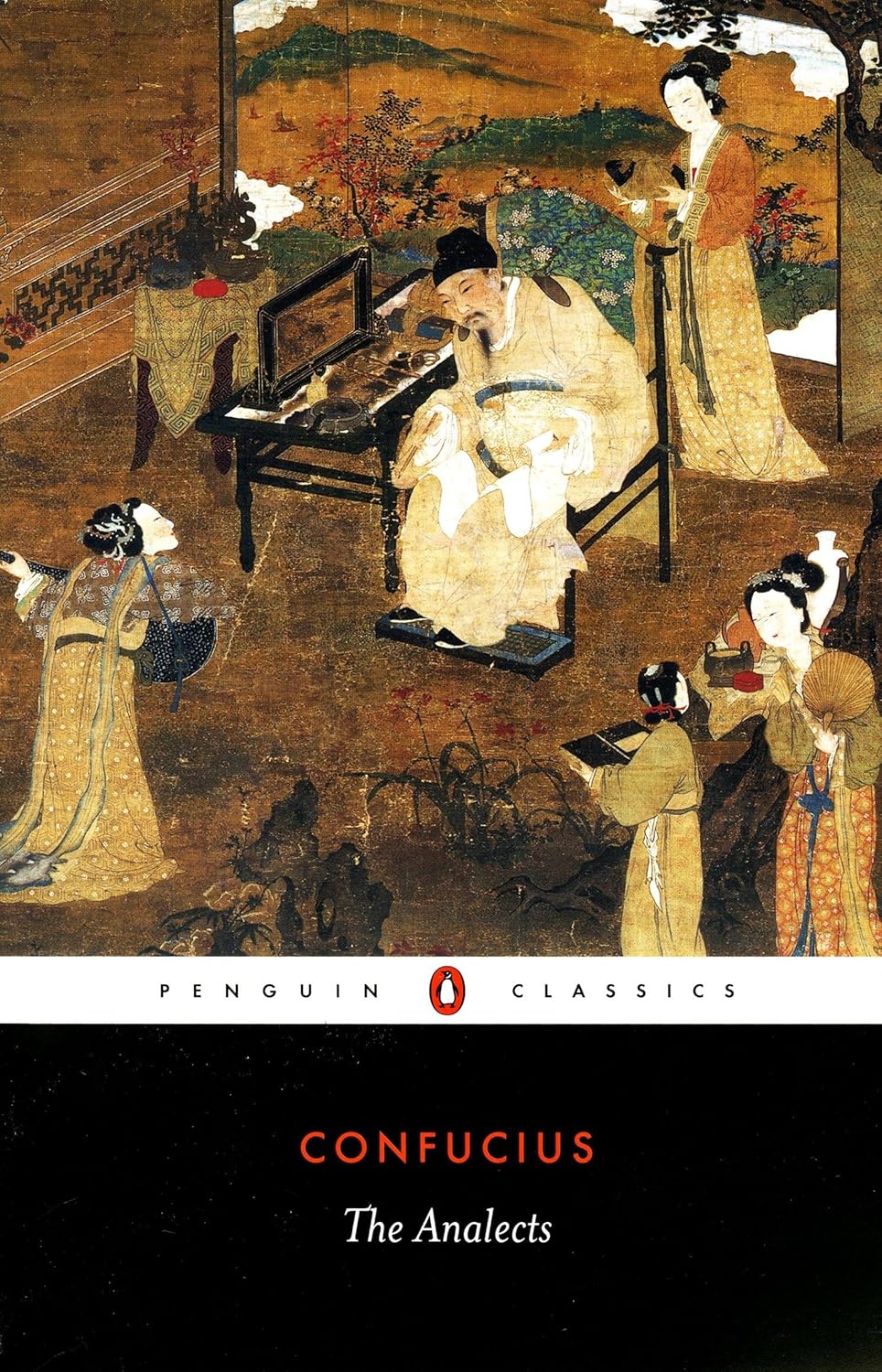
At its core, The 36th Chamber is a tale of transformation through discipline. San Te enters the Shaolin temple as a fugitive. What he discovers within its walls is more than simply a set of fighting techniques, but a moral system grounded in ritual, patience, and reverence. This echoes the teachings of Confucius, particularly as articulated in The Analects.
In The Analects, Confucius speaks often of xiu shen (修身) — the cultivation of the self. For Confucius, personal virtue is the foundation for societal harmony. The rigorous training sequences in the film, with their focus on repetition and humility, embody this ethos. San Te is not taught through a process of internal refinement, not rage or vengeance, though that is what he at first seeks. The chambers are rites of passage, each one teaching both physical technique and ethical awareness.
Ritual (li) plays a central role in Confucian thought. In the film, every exercise, every movement, every act of obedience to the temple’s structure is a ritualized gesture. Through this repetition, San Te does not just become strong—he becomes disciplined, thoughtful, aware. Like the ideal Confucian gentleman (junzi), San Te learns that true strength lies in self-restraint and service to the greater good.
“Do men have the right to say what they believe in or must they do what the government says?”
But The 36th Chamber is also a rebellion narrative. San Te does not remain within the walls of the temple. He proposes a 36th chamber—a space that brings Shaolin wisdom to the common people. In doing so, he breaks from tradition, subverts the hierarchy, and asserts his own vision of justice. This act of creative transgression bears the fingerprints of Friedrich Nietzsche.
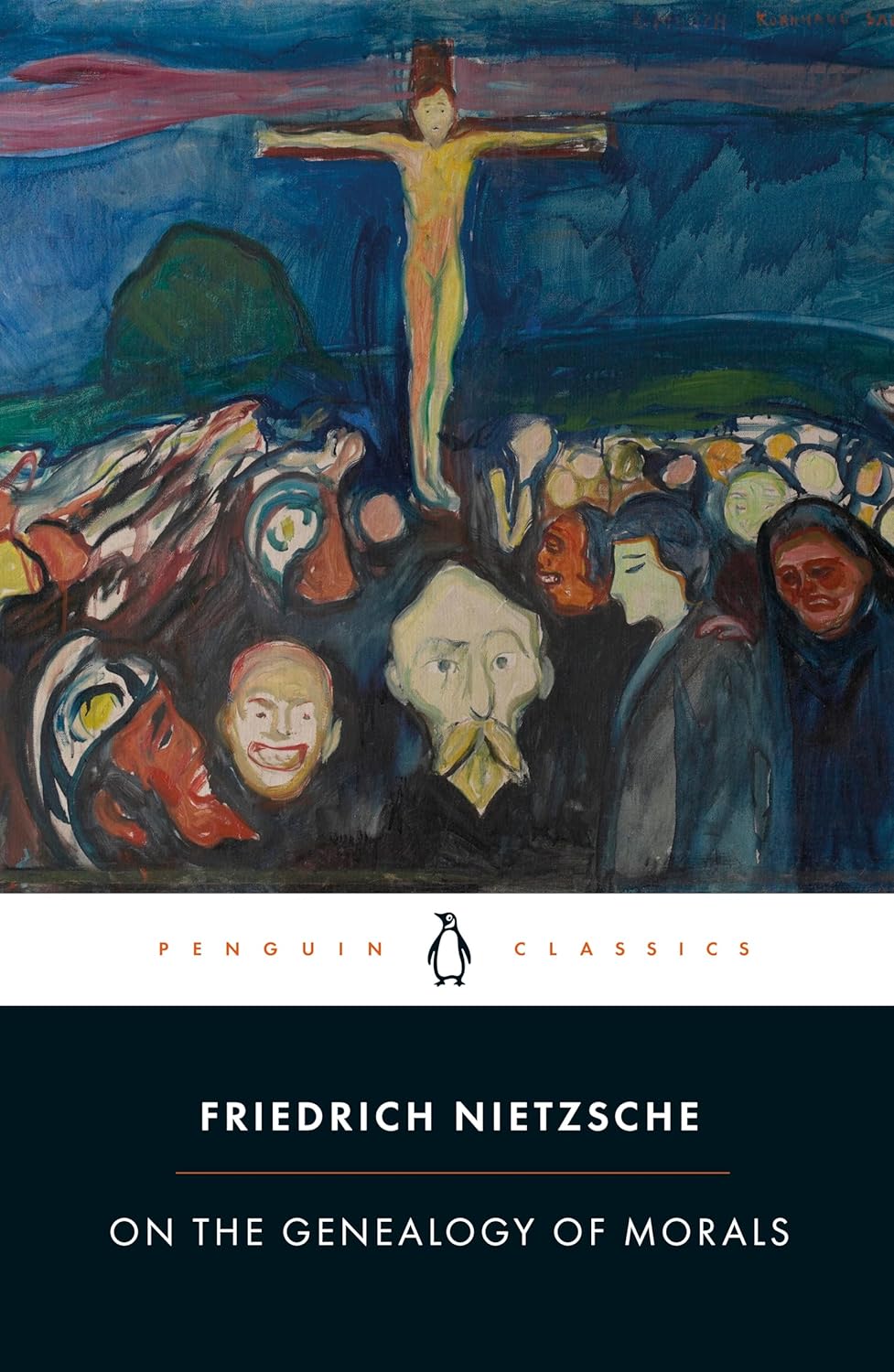
In On the Genealogy of Morals, Nietzsche critiques the morality of submission and obedience, arguing that it was born from the resentment of the weak. He calls for a revaluation of all values, a movement toward the affirmation of life, strength, and creativity. San Te’s journey mirrors this. Though he begins in a state of victimhood, he refuses to remain there. His ascent through the temple both a path of discipline as well as a claim to his own authority.
When San Te proposes a 36th chamber, he becomes a Nietzschean figure: the one who challenges the eternal recurrence of tradition, who does not merely obey but acts. His rebellion is to the elders a rejection of Shaolin wisdom but to him an evolution of it—a belief that strength, once cultivated, must serve liberation, not isolation.
“Even Buddha punished evil.”
The tension between Confucian and Nietzschean values can therefore be seen as the balance The 36th Chamber of Shaolin provides. The temple demands humility; the world demands action. San Te becomes the bridge. His training instills him with the Confucian virtues of discipline and harmony, but his departure signals a Nietzschean affirmation of the individual will.
This synthesis is the film’s deepest lesson: that self-cultivation is not an end, but a preparation for freedom. That tradition must be honored but also built upon. That the ‘true path’ is not the preservation of its power, but the ability to find the freedom it offers to those who seek it.
_____
Conclusion
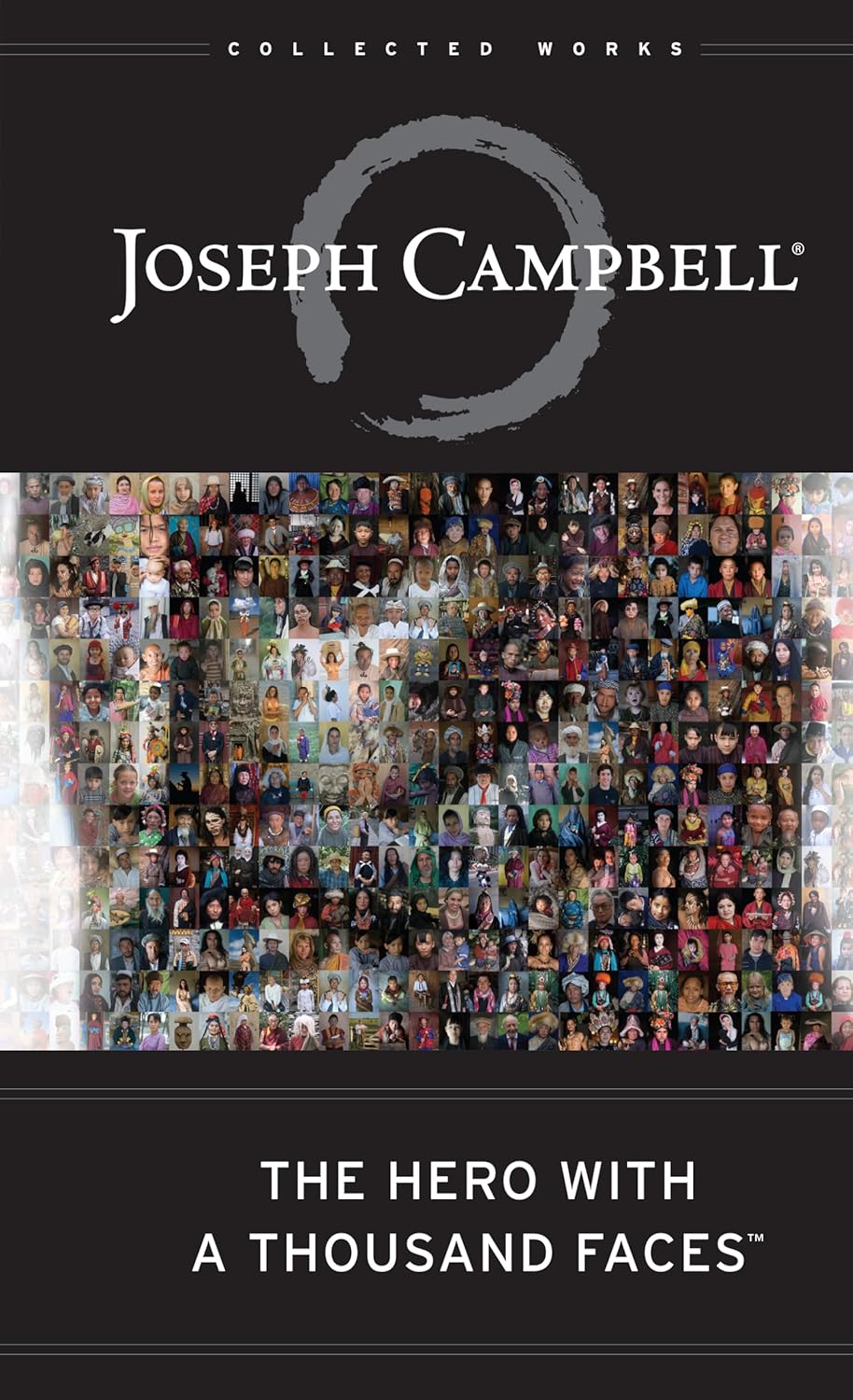
In the end, The 36th Chamber of Shaolin is like all hero’s journey stories, a tale about departure from the status quo, initiation toward the betterment of the self, and the return to use what has been learned. Some, like San Te’s family and friends, never fully depart. Some, like those monks in the 35th Chamber, never return. Though San Te accomplishes the entirety of the hero’s journey laid before him.
In the final image of San Te, standing between the temple and the people, we see not just a martial hero, but a philosophical one—a man who has shaped himself in the furnace of discipline and dared to reshape the world in turn.
Reading List
The Hero with a Thousand Faces by Joseph Campbell
The Analects by Confucius
On the Genealogy of Morals by Friedrich Nietzsche